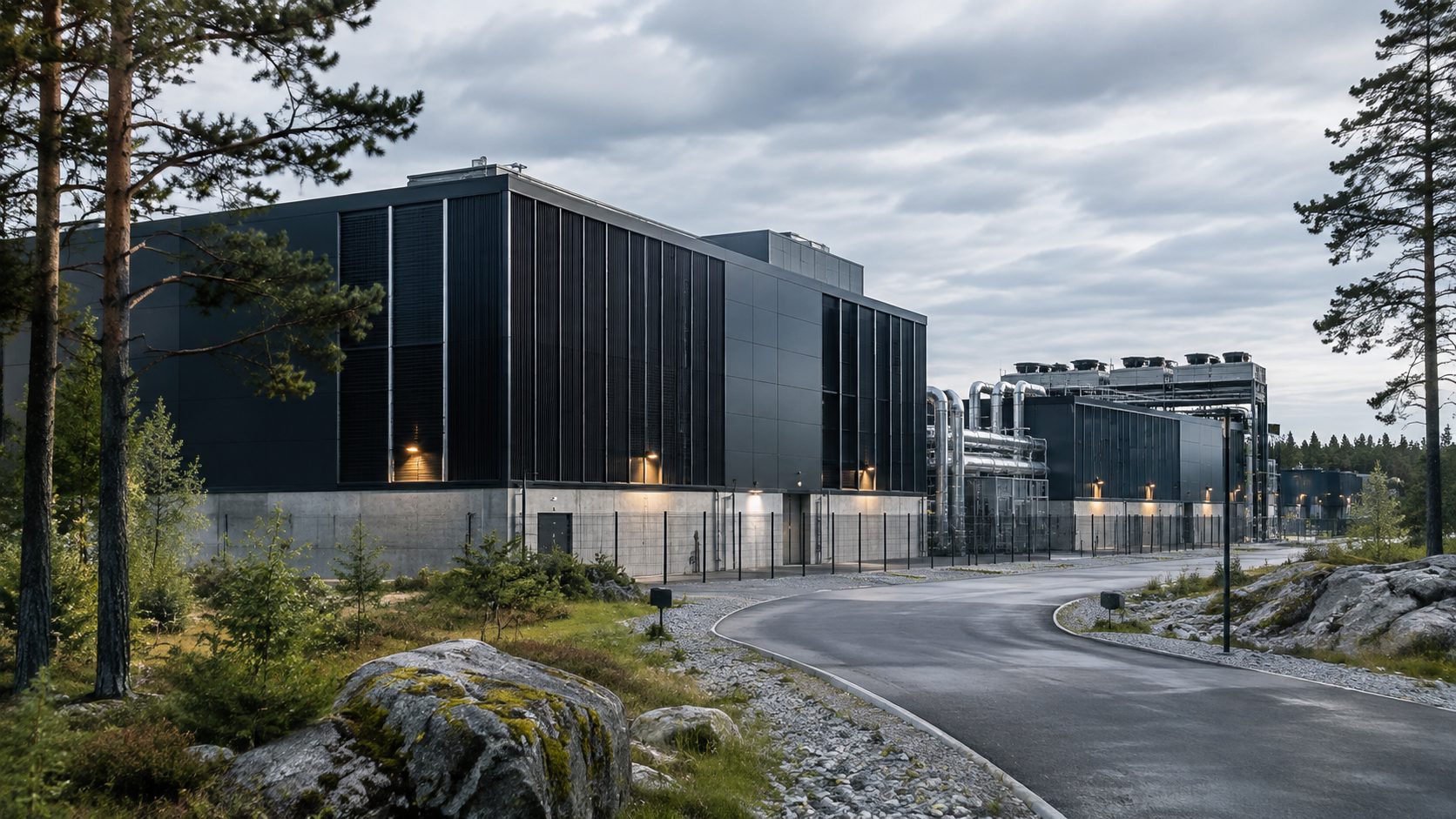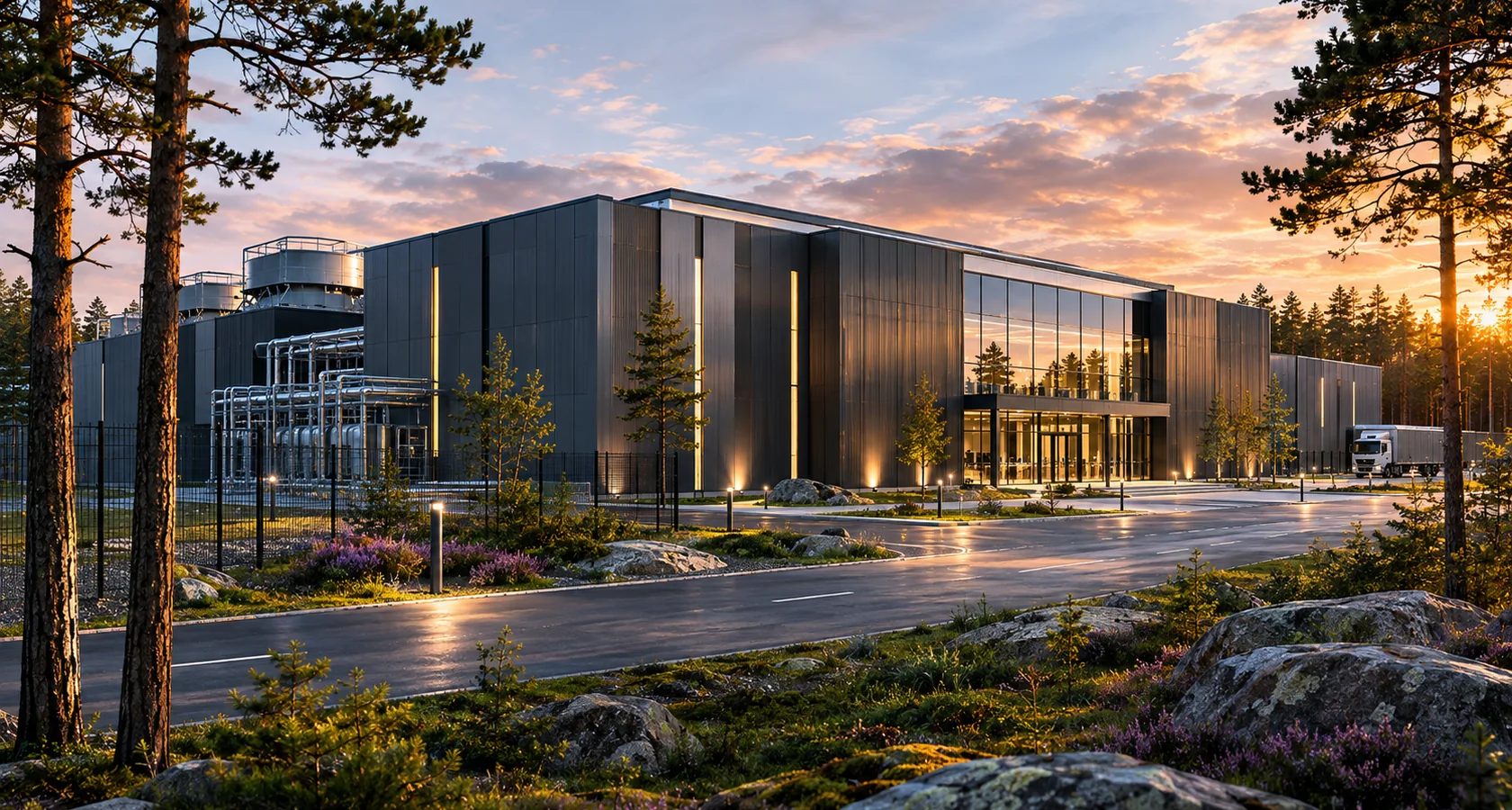
What the development involves
Since August 2024, all new Microsoft facilities have been designed so that no water evaporates for cooling. Pilot sites in Phoenix and Mt. Pleasant are planned for 2026 and expected to be operational in late 2027 (Microsoft, December 9, 2024).
What benefits are documented
Microsoft states that more than 125 million liters of water per year are avoided for cooling at each facility. Water for purposes such as sanitation is additional, so the facility is not entirely water-free.
Microsoft itself notes that more mechanical cooling increases PUE, the ratio of the facility's total electricity use to the electricity used by IT. This is a clear trade-off: less water can mean more electricity.
What it could mean in Sweden
In Sweden, water scarcity is rarely the biggest problem, but water carries significant weight in permitting and local acceptance. A cold climate also makes it easier to cool in closed loops without increasing electricity demand as much as in warmer countries.
What needs to be investigated
Which cooling principle offers the best balance between electricity and water at each site. How the water balance is presented in the permit application. How the difference between a closed loop and zero water consumption is described accurately to municipalities and investors.