What the development involves
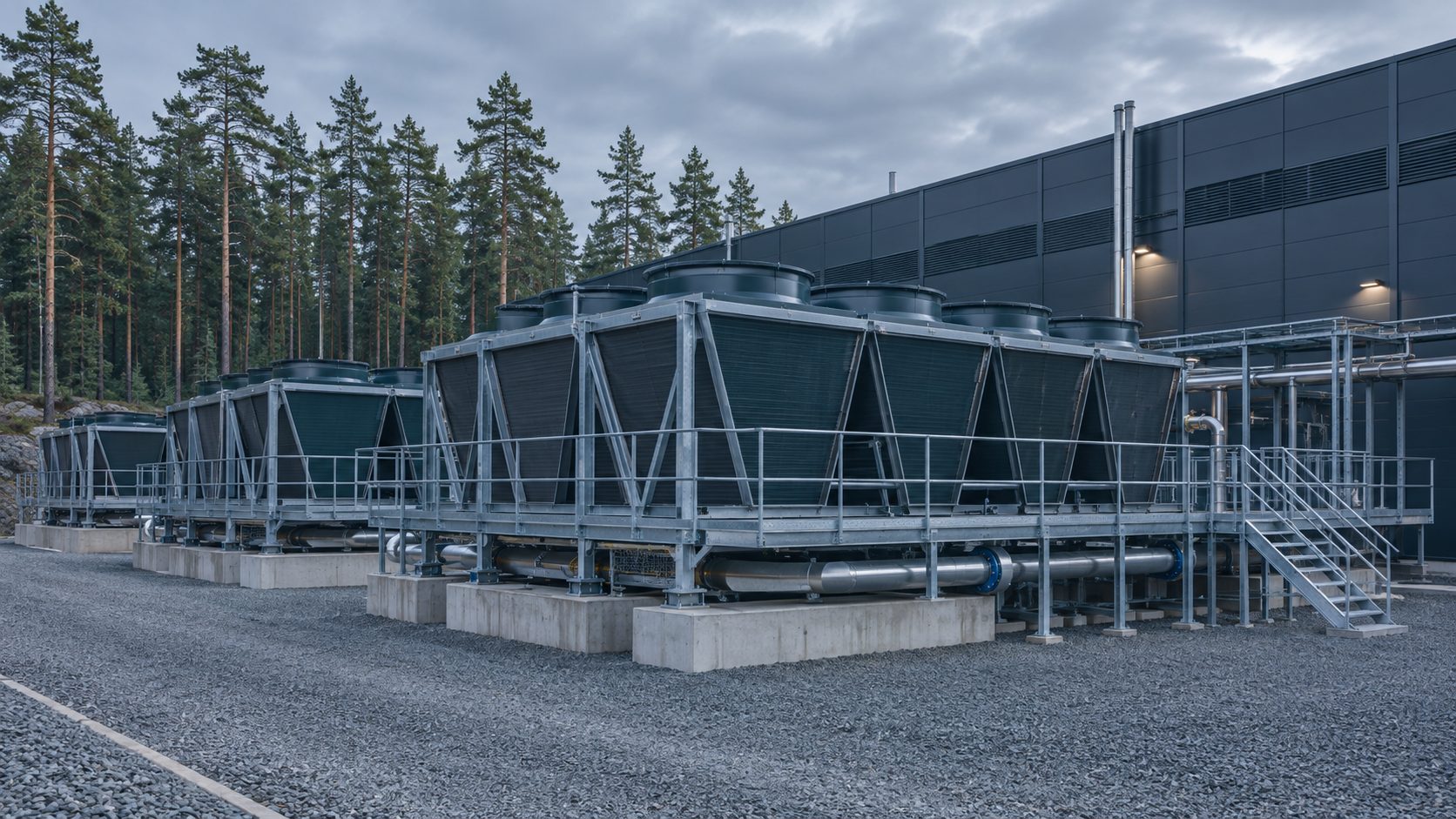
A thermal store is charged when the load or electricity price is low and discharged when demand is at its highest. The chillers then do not need to be sized for the highest peak, and the load on the grid becomes more even.
What benefits are documented
Uptime Institute notes that at peak load, the cooling plant can account for more than 30% of the IT load, and that storage can spread this demand over time (Uptime Institute). There is no general savings figure, as the benefit depends on the load profile and electricity prices.
What it could mean in Sweden
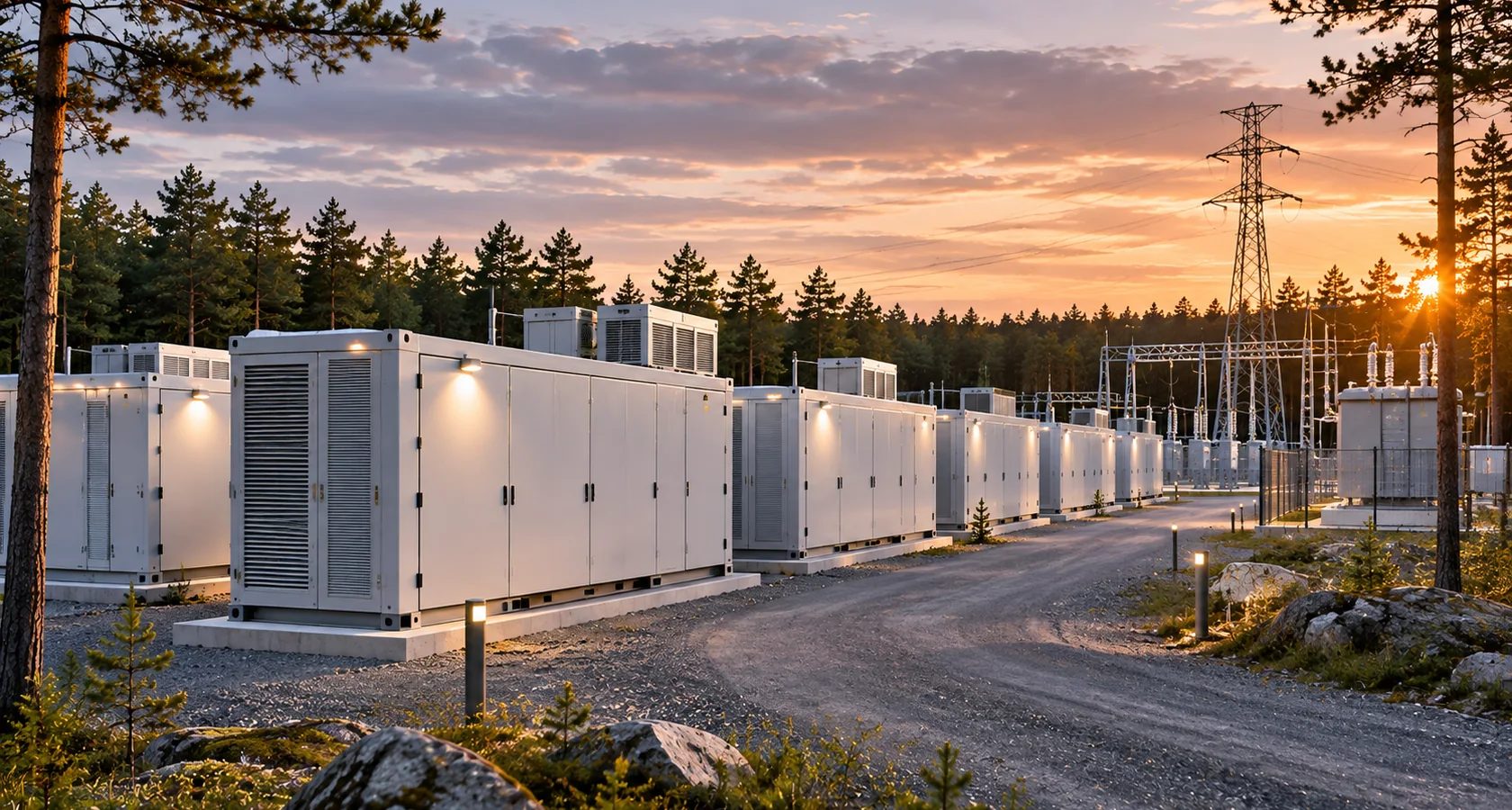
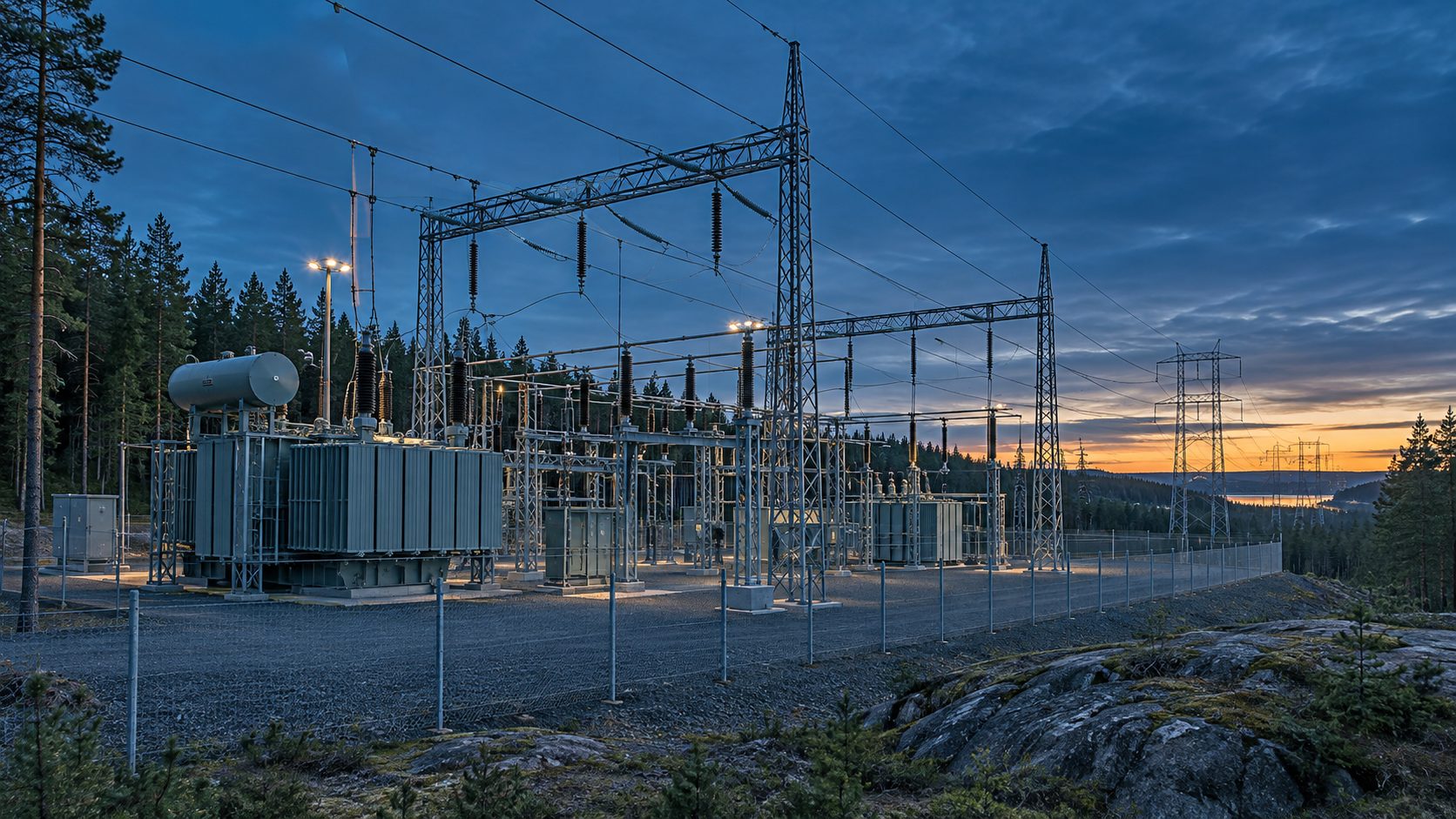
When the grid connection is the limiting resource, every kilowatt freed up has value. Thermal storage can be combined with conditional connection agreements and battery storage to make a power-constrained site more usable.
What needs to be investigated
How much space the storage requires. How much power it actually frees up with the load profile of an AI facility. How it interacts with warm-water liquid cooling, where the need for chillers is already small.